
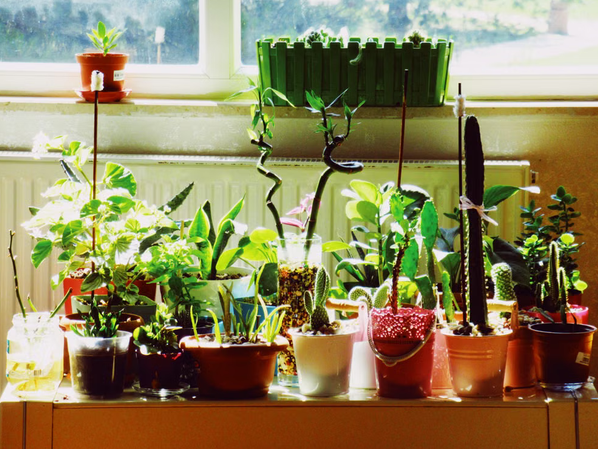
There’s something quietly satisfying about a windowsill lined with green leaves or a corner filled with a tall, leafy plant stretching toward the light. Houseplants have a way of softening a room, adding texture and life to spaces that might otherwise feel sterile. Whether you’re nurturing a single succulent or building a small indoor jungle, understanding what these plants actually need makes all the difference between thriving greenery and a sad, drooping stem.
Getting Started With the Basics
Before buying your first plant, it helps to understand what you’re working with. Indoor plants come from wildly different environments, from tropical rainforests to arid deserts, and each brings its own set of preferences for light, water, and humidity. If you want a broader overview of how these plants are classified and cared for, this guide offers a solid starting point for understanding the history and variety behind the plants now sitting on millions of windowsills. Once you grasp the basic categories, like epiphytes, succulents, and shade-loving tropicals, picking the right plant for your space becomes far less of a gamble.
Watering Without Guesswork
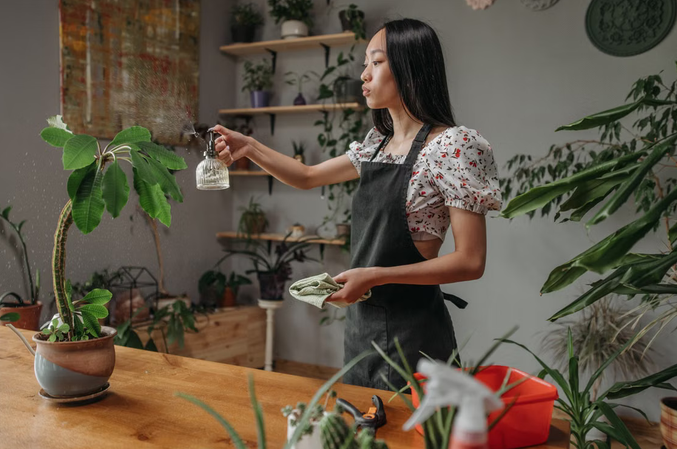
Overwatering kills far more houseplants than neglect ever does. Roots sitting in soggy soil quickly suffocate and rot, so good drainage is non-negotiable. A few habits that help:
- Check soil moisture with a finger before watering, rather than sticking to a fixed schedule.
- Use pots with drainage holes, or a cache pot system that lets excess water escape the inner container.
- Water thoroughly but infrequently, letting the top inch or two of soil dry out between sessions.
Humidity plays a supporting role too. Many tropical species appreciate a pebble tray or occasional misting, especially during dry winter months when indoor heating saps moisture from the air.
Light and Placement Matter More Than You Think
Most people assume any sunny spot will do, but light quality varies enormously depending on direction and distance from a window. South-facing windows tend to offer the strongest, most direct light, while north-facing ones provide gentler, indirect brightness. A plant that’s struggling often isn’t thirsty at all; it’s simply in the wrong spot. Rotating pots every couple of weeks also helps plants grow evenly instead of leaning awkwardly toward their only light source.
Feeding, Repotting, and Long-Term Care
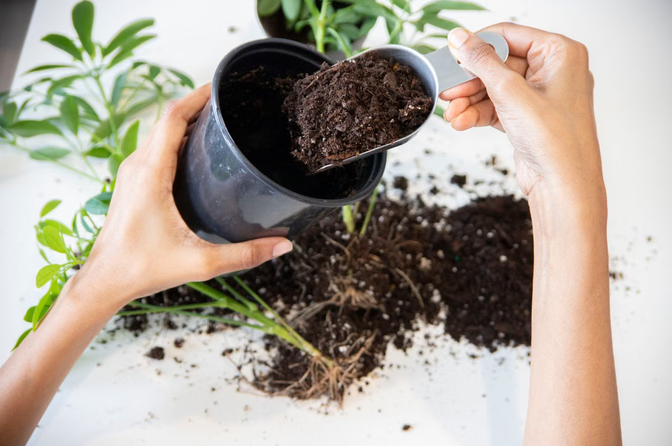
Houseplants growing in containers eventually use up the nutrients available in their potting mix. A diluted liquid fertilizer during the growing season, typically spring through early fall, keeps most plants healthy without encouraging the kind of rapid, leggy growth that comes from overfeeding. Repotting every one to two years, once roots start circling the bottom of the pot, gives plants fresh soil and room to expand. Signs that a plant has outgrown its container include roots poking through drainage holes or water running straight through without being absorbed. Beyond the practical upkeep, there’s real value in simply paying attention. Yellowing leaves, slowed growth, or pale new foliage are all signals worth noticing early, long before a plant reaches a point of no return.
Start small if you’re new to this. Pick one or two forgiving varieties, learn their rhythms, and let that experience guide what you bring home next.

 can end up being a force of habit, or you can hire this company they are highly rated for carpet cleaning.

 Then as the foaming dries, vacuuming picks up the final bits of dirt sticking to the remaining foam. The third method for carpeting treatment is the professional in-house cleaning. This is when your carpeting is given a cleaning company to be cleaned in a special way by the cleaning business.
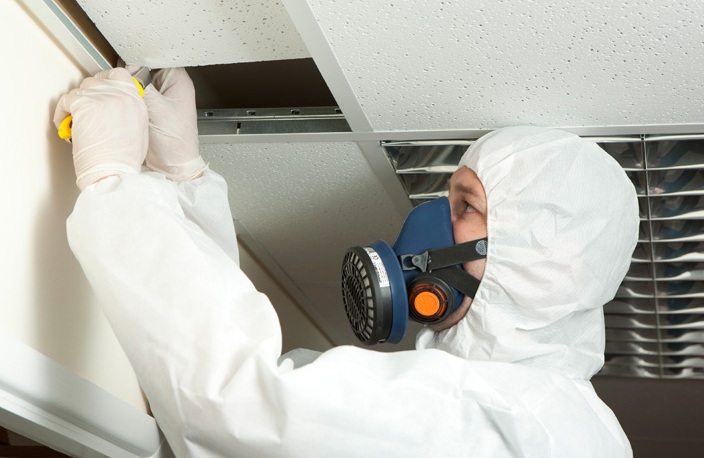
 site. It also involves analyzing the material. This is a useful process as it establishes whether asbestos contains cement, which makes the roof non-friable or friable. The friable asbestos chips near invisible dust particles, which are suspended in the air. When you inhale such fibers, you aggravate mesothelioma. Asbestos becomes lethal when swallowed or inhaled.
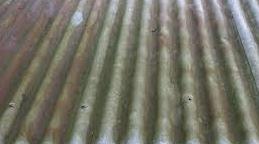 for all to see. The roof of your house will be demolished in a manner that least agitates the structure. This means that there are no drills done. The section will cut the roof section. The area is then wet to clump the loose particles together.
 Are you planning to sell your New Orleans property? If so, then finding a buyer will most likely be easy for you. However, simply finding a house buyer won’t guarantee that you will get the most profit out of your real property.